E2E testing
Learn how to write e2e tests with Playwright for your supastarter app.
For E2E testing supastarter integrates a basic setup of Playwright.
Why Playwright
Playwright is a great open-source tool for e2e testing. It's easy to use and has a great developer experience. It's fast, mature and reliable. You can also use it for component (unit) testing.
Running e2e tests
To run the e2e tests in your local environment, run the command for the app you are working on:
pnpm --filter saas e2e
# or
pnpm --filter marketing e2e
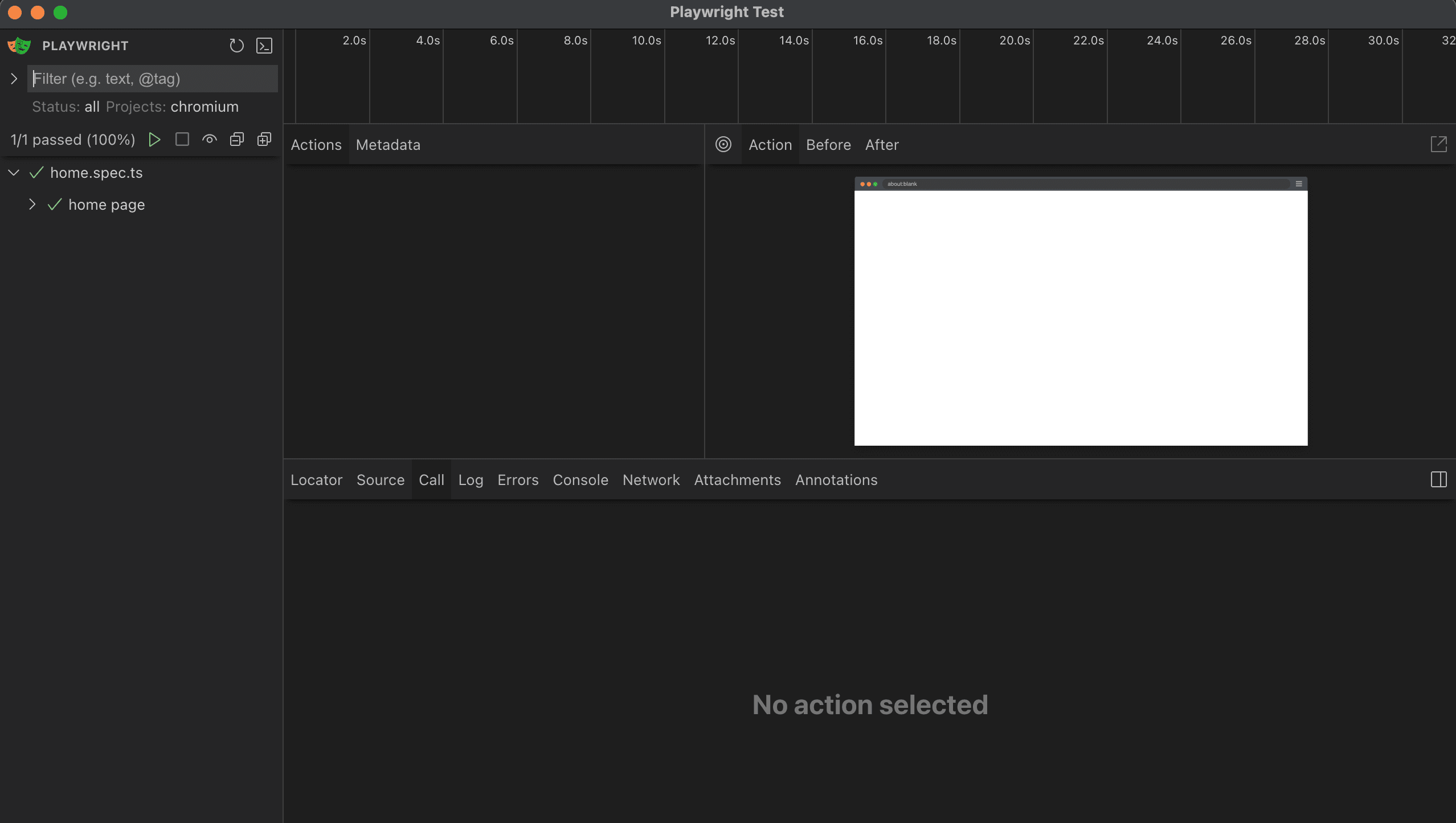
This will start up the development server of your application (if it's not already running) and also open the Playwright UI.
In the UI you can see all available tests and run them.
Running e2e tests headlessly
Pull request CI no longer runs Playwright. Use the headless scripts locally (or wire them into your own workflow):
pnpm --filter saas e2e:ci
# or
pnpm --filter marketing e2e:ci
These commands install Playwright browsers and run against a production build. A database is required for SaaS suites — set DATABASE_URL (and any other secrets from your .env.local, such as STRIPE_SECRET_KEY when testing Stripe).
Writing e2e tests
The e2e tests are located in the app that owns the surface under test:
apps/marketing/testsapps/saas/tests
To create a new test suite, create a new *.spec.ts file in the correct folder:
import { expect, test } from "@playwright/test";

test.describe("some feature", () => {
  test("should do something", async ({ page }) => {
    await page.goto("/app/feature-page");

    await expect(
      page.getByRole("heading", { name: "Amazing feature" }),
    ).toBeVisible();
  });
});
Playwright will then automatically pick up the test suite and run it.
Learn more about writing e2e tests in the Playwright documentation.